

Most social platforms reward you for the audience you've already built. YouTube rewards you for being relevant to someone who's never heard of you.
On a feed-based platform — X, LinkedIn, Instagram — your reach is capped by your follower count; the algorithm serves your post to a slice of the people already following you and stops near the edge of your network.
YouTube runs on different physics: it hands your video to whoever's searching for the topic or likely to want it, follower or not.
For B2B, this is incredibly relevant.
First, because of the SEO dynamics: a YouTube video is a searchable, rankable asset with a transcript, a title, and a description.
It surfaces in YouTube search, Google, and increasingly in AI answers that pull video straight into the output.
Second, repurposing: one long-form video becomes YouTube Shorts, LinkedIn clips, TikTok content, and sales enablement material.
Produce once, feed the whole system.
So why isn't every B2B brand all-in on YouTube? Usually one of three things stops them:
- Budget
- Doubt about what to produce
- Doubt about cadence
This article is for the second: what to make, and who's already making it well.
First, how YouTube decides what to show
Many B2B brands, including blue-chip ones, read YouTube wrong.
They treat it as storage: a place to park the webinar recording, a random conference talk, the product video that once made the hero section of the homepage.
Upload it because it's long, file it, move on.
The result is an archive rather than a channel. Videos nobody ever sees, sitting at a couple hundred views.
That happens because those videos give YouTube nothing to work with. To understand why, you have to know how videos get found in the first place.
There are two paths, and only two:
Discovery on the platform. The home feed, suggested videos, the Shorts feed. This is YouTube's algorithm deciding what to serve next, based on our preferences, watch history, and other variables.
This is gated by behavior. YouTube predicts what we want and puts it in front of us. This is the made-for-YouTube path, and it's where the reach that matters comes from.
Search. Someone types a query, YouTube matches it against titles, descriptions, and transcripts, and ranks the results. This is the SEO path. The same intent-matching that surfaces your video in Google, months or years after you post it.
Both paths reward the same two things: a video that gets clicked and then gets watched.
Discovery-first content
A discovery-first video is framed and packaged for a YouTube viewer from the start:
- The title and thumbnail are engineered for the click — they make a specific, legible promise, not "Q3 Platform Webinar."
- The concept is something a viewer would actually search for or stop scrolling for, not something you happened to record.
- The video then delivers on the thumbnail's promise fast, because the click means nothing if retention collapses in the first thirty seconds.
Get found, hold attention, make good on the promise.
The numbers that tell you it's working
You don't have to guess whether a video is discovery-first. YouTube tells you.
A handful of metrics predict whether the algorithm keeps distributing a video:
- Click-through rate. Whether your title and thumbnail are earning the click. A strong video with weak packaging dies here, before anyone sees the content.
- Retention at 30 seconds. Whether the video makes good on its promise fast. Lose too many viewers in the first half-minute and YouTube reads the video as a bad recommendation.
- Average view duration. How much of the video people actually watch — the strongest signal to YouTube that a video is worth surfacing to more people.
- Recurring viewers. The share of people coming back. It's what separates a channel from a pile of one-off uploads.
Usually, a video underperforms because it doesn’t earn the click or hold the watch. Which is why the type and format you choose have to be built for discovery in the first place.
B2B YouTube examples, grouped by video type
You can sort YouTube examples a few different ways. We're leading with the one that's the most useful one: video type.
A tutorial is a tutorial whether it's selling SEO software or industrial sensors; format and intent travel across industries and budgets.
So that's the core of this section. Each type below gets the same quick read: what it is, who it's for, an example worth studying, and what you can get from it.
1. Educational / how-to video
What it is: Videos that teach a skill, walk through a process, or answer the questions your buyers are typing into search or asking your sales team.
These videos are less about your product, and more about their problem. The product shows up as the tool you reach for, never the subject.
Who it's for: Brands whose buyers have to learn about the product before they can use it, or to understand why they'd need it.
Category-wise, this type of video goes well with software, technical products, anything with a learning curve.
An example worth studying:
The video teaches a playbook (finding keywords, reverse-engineering which sources AI cites), and Ahrefs' own tools show up as the instrument you'd use to do the work.
What you get from it: Compounding discovery. A how-to video answering a real question keeps surfacing in search for months/years, pulling in buyers long after you posted it.
It's an example of YouTube's pull dynamic, and also the type of video that technical brands gravitate to.
2. Explainer video
What it is: Short, focused videos that make a subject easier to understand. For instance, how a system works, or why a problem exists.
What’s the difference between how-to and explainer videos? Where how-to teaches a skill, explainers build understanding.
Usually 2–6 minutes, often whiteboard, motion graphics, or a single expert making the abstract concrete.
Who it's for: Brands selling something buyers can't picture, or operating in new categories and niches.
Tech, security, infrastructure, anything where the first bottleneck is "I don't fully get what this does."
If you spend sales calls explaining the same concept over and over, that concept is probably the raw material for an explainer video.
An example worth studying:
Four terms people use interchangeably, separated cleanly by Jeff Crume on IBM's lightboard. There's no IBM pitch — just pure authority building by association.
What you get from it: Explainer videos help build authority on a subject, and give you a head start opportunity on the buyer's mental model.
In other words: explain the problem clearly, and you might be the one who gets to shape how people understand it.
3. Thought leadership / POV
What it is: A take, on camera, by a person worth listening to (because they’re a leader, an expert, or just fun/interesting to listen to).
POVs aren’t a summary, and the goal is not to be agreeable, but to share a view someone could/may disagree with.
Who it's for: Brands with a point of view sharp enough to plant a flag. Works best when there's a specific stakeholder — a founder, an exec, a known operator — willing to be the face.
An example worth studying:
Marketing Against the Grain, hosted by HubSpot's CMO Kipp Bodnar and SVP of marketing Kieran Flanagan.
Two named executives taking positions on camera — that AI usage isn't productivity, that keyword ranking is dead, that most AI content is slop. Whether you agree is beside the point; these are arguments made by execs rather than logos.
What you get from it: Differentiation that is attached to a person, since viewers prefer to follow people over logos.
4. Behind-the-scenes
What it is: Videos that show the process, the place, the people, how the product is made. Factory floors, workflows, the team behind the product.
Who it's for: Brands with something interesting to show, like a physical product, a process with visual texture, or a place with a story to tell.
The kind of video that pairs well with manufacturing, hardware, and many service-oriented industries.
An example worth studying:
ATR's guided tour of its final assembly line in Toulouse is not just another factory tour video. For a small aircraft manufacturer, showing the standards, machinery, materials, and processes is something most potential clients would be interested in learning about.
What you get from it: Trust through transparency, and a kind of content competitors can't easily copy because it's specific to you.
Showing the work signals confidence in it. It can also double as recruiting and culture content.
5. Proof: reviews and customer stories
What it is: It’s evidence; ideally, third-party evidence. Examples of this type of content include reviews, "vs" teardowns, and customer stories that show your product working in the real world.
Who it's for: Brands with happy customers, performance worth showing, and in categories where buyers actively search for proof before moving forward.
If your prospects are searching for things like:
- [your product] review
[you] vs [competitor]
It means that the demand for this type of content exists. And for most brands, this type of content exists, and no matter how niche, it’s incredibly relevant.
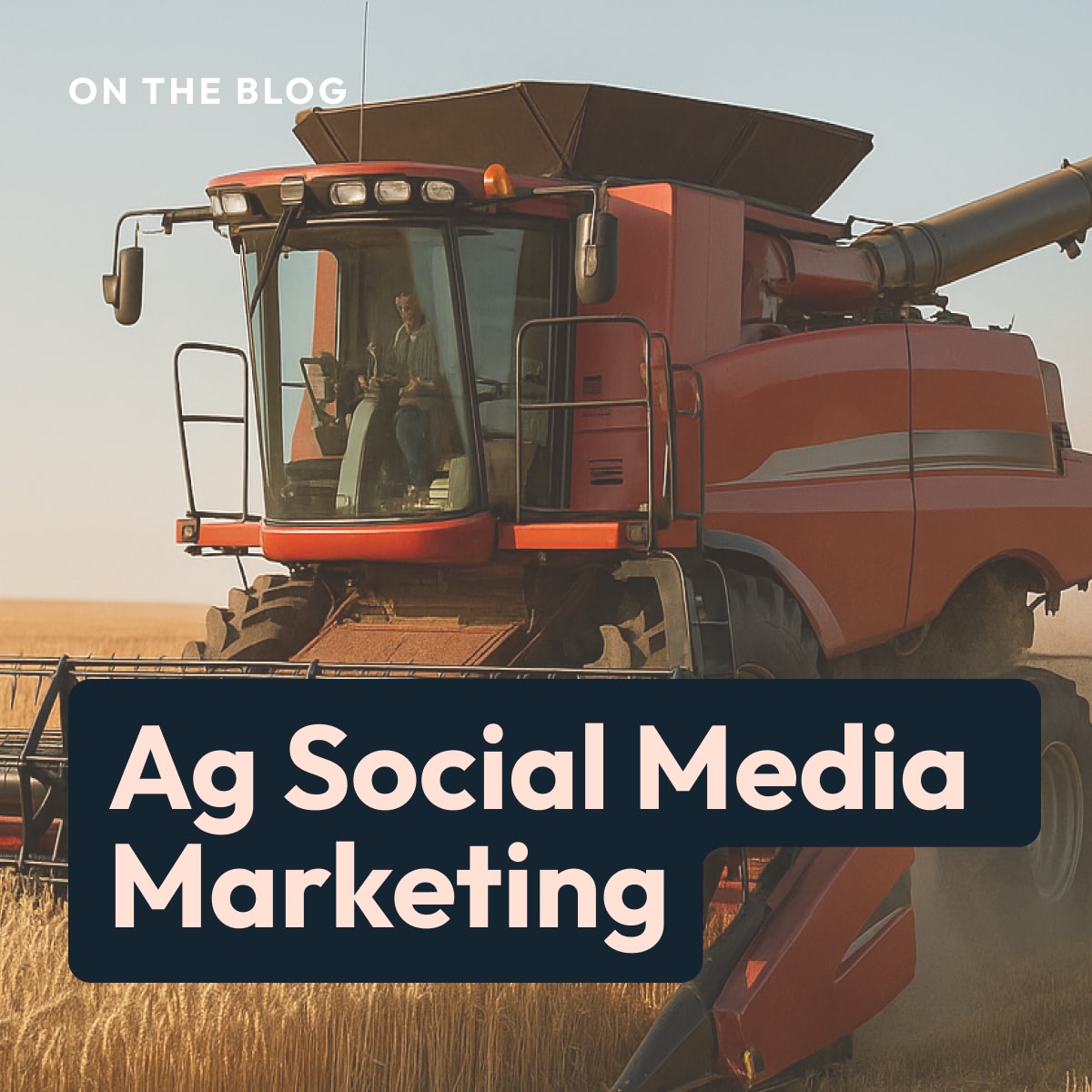
Take, for instance, agricultural machinery. Super-niche, and yet, combine harvester review videos still amass views in the millions:
YouTube for B2B examples by format
Format is about runtime: how long the video runs. In turn, this variable sets production costs and what job the video can do.
The same video type can run at any length — a how-to can be a 20-minute deep dive or a 40-second Short.
Pick what you can actually sustain, then pour your types into it.
Long-form videos
The 6–25 minute (or longer) video. Tutorials, deep explainers, product comparisons, recorded talks.
What it costs: Long-form is the most expensive format, requiring scripting, shooting, editing, and usually a host.
What it's for: Topic authoritativeness, SEO, and repurposing. Sound long-form should rank and answer questions buyers can hardly find elsewhere. It's also the source material everything else gets cut from.
Best-fit types: How-to, explainers, behind-the-scenes (the full process/tour film).
Here’s an example of a long-form video by OpenAI:
Short-form / Shorts
Vertical, under a minute, hook + content.
What it costs: Short video costs vary, but it can be low, especially when cut from long-form you've already shot. The trap is volume, as the real cost comes with committing to multiple clips.
What it's for: Reach and discovery. Shorts are how strangers stumble into your orbit and how a long-form video gets a second life in pieces.
Best-fit types: POV (the hot take), explainers (one concept, fast), proof (a single result or quirk).
Defense systems manufacturer Anduril is a brand that excels (and relies on) Shorts to keep a sustainable YouTube presence:
Livestreams
Launches, AMAs, events, office-hours-style sessions.
What it costs: Low production cost, but with a marked risk profile. You're not editing your way out of mistakes when streaming live.
What it's for: Live is where the community part of YouTube actually shows up. If you don’t have an engaged community there, it shouldn’t be a priority.
Best-fit types: POV, proof (live demo or Q&A), behind-the-scenes (the unfiltered tour).
A good example of a brand that actually gets livestreaming: Anthropic.
On Claude’s YouTube channel, they often livestream new feature launches and conversations with industry leaders that pack a punch:
What works where: our take by industry
Type and format are portable, but not every combination fits every industry. After years running B2B social across these verticals, here's where we've seen YouTube actually pay off.
SaaS: How-to’s, explainer, and long-form video, anchored with shorts cut from the same footage.
The search demand is usually already there, with buyers typing "how do I do X". The job is being more useful than the competitors answering the same query.
Enterprise: Thought leadership and explainers, carried by real people rather than the corporate account.
Manufacturing: Behind-the-scenes, how-tos, explainer. The factory floor, the machine at work, the process. One of the best options to create original, unique content.
Cybersecurity: Explainers, ideally the "explain the threat" angle.
Professional services: Thought leadership, and mostly that. Your product is your thinking, so put one credible person on camera with a specific position.
Knowing what good looks like is the easy part. The hard part is committing to a channel that pays off in quarters, and picking the type, format, and cadence your team can sustain.
That's the work we do with B2B brands every day. If YouTube belongs in your mix and you want a plan that survives contact with your calendar, get a proposal.